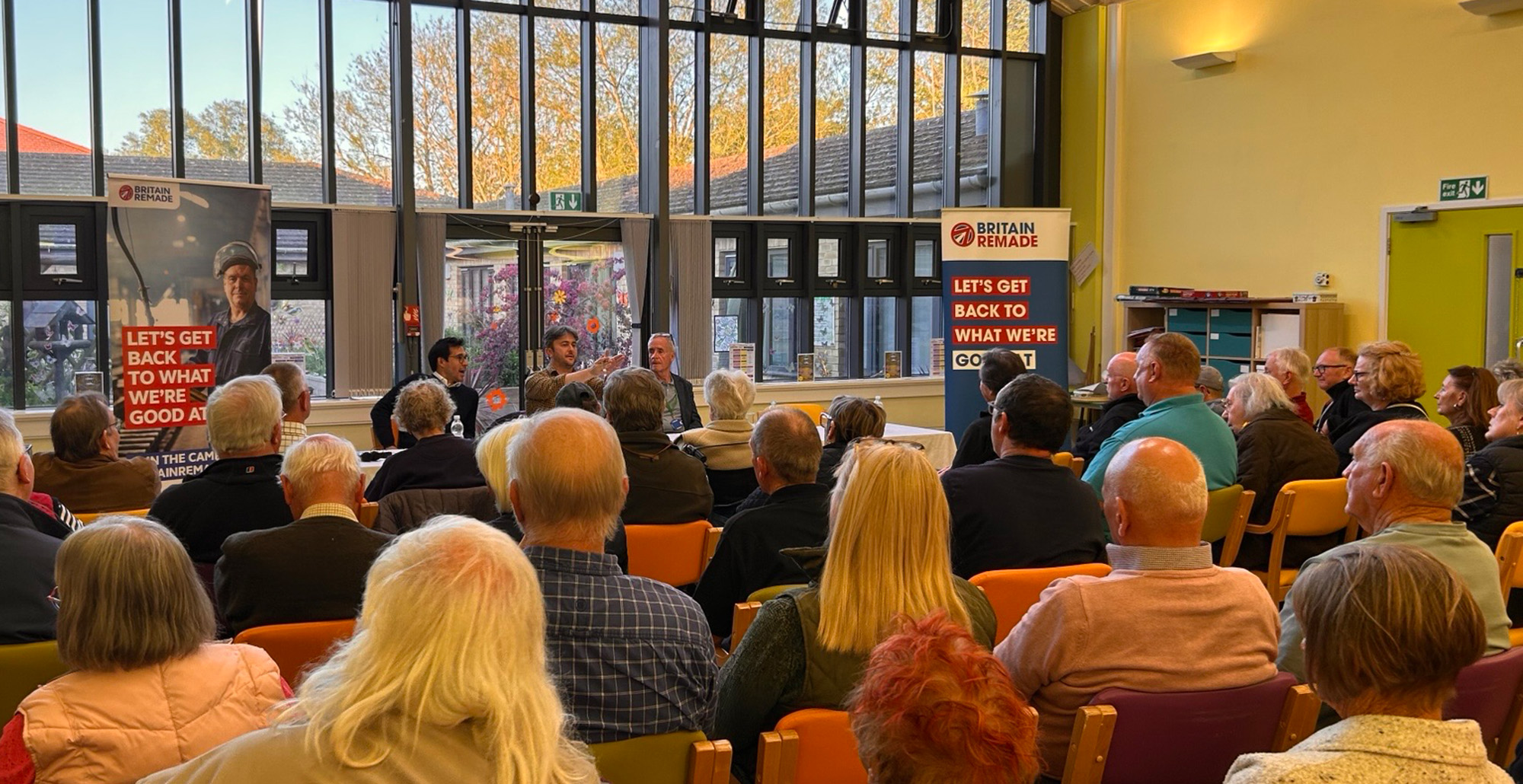
Britain needs cheaper, cleaner energy, better transport and a lot more homes in the places where people want to live.
All of Britain Remade’s campaigns aim to deliver one of these goals.
Making the right choices on energy, transport and housing is the foundation for bringing back sustained economic growth to Britain.
Whether we’re calling for a change to national policy, or backing a local campaign to reopen a short stretch of railway, step-by-step we are championing a Britain that builds what its people need.
Prioritise cheap energy

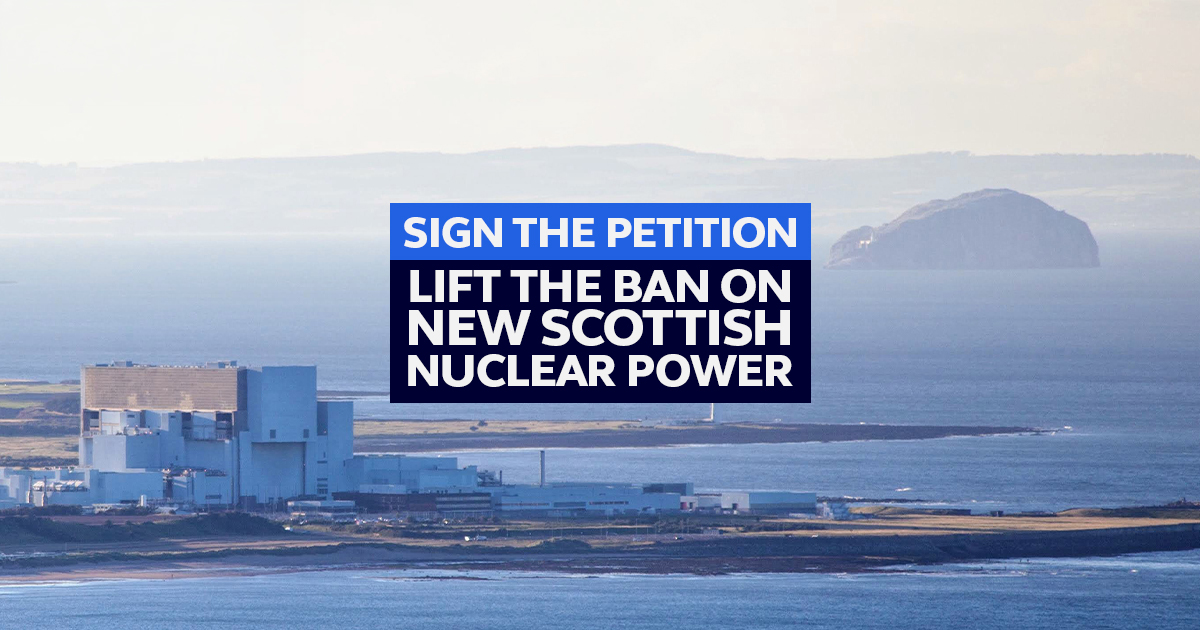
We’re campaigning to make cheaper energy a national priority. Britain has the highest industrial energy costs in the world and the second highest household energy bills in Europe.
These prices are making families struggle and killing British businesses, and on top of that they’re undermining Britain’s climate goals.
Britain’s electricity is now very clean, with only around 10% of our carbon emissions coming from generating it. But the fact that this clean electricity is too expensive is putting people off switching to electric vehicles and heat pumps.
The focus needs to be shifted from clean energy (because it’s already comparatively very clean) to cheap energy.
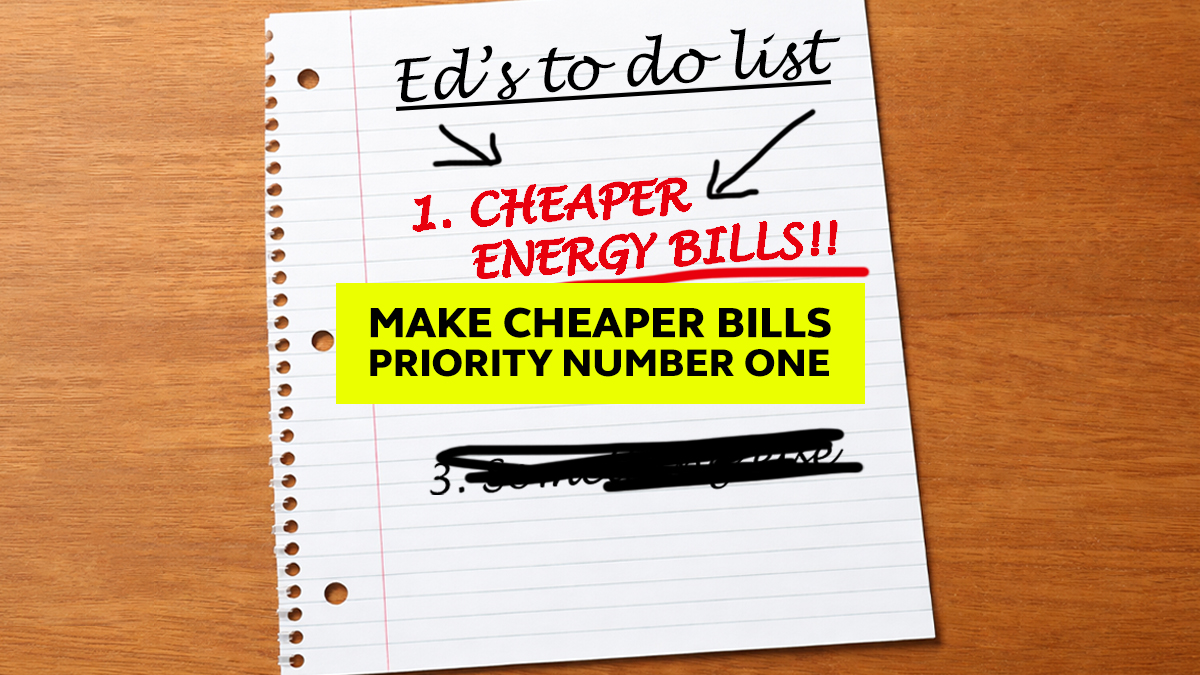
For the cost of living, economic growth and the environment. Cheap energy should be Ed Miliband’s priority number one.
We’ve got a plan to make energy affordable. Read it and add your name to our petition.
What will electricity cost?
If Britain's plan to tackle climate change is electrifying, then we better shape up.
Electricity demand fell by 22% per capita between 2000 and 2019.
Only in Yemen, Zimbabwe, Jamaica, Tajikistan and Syria did electricity demand drop by more.
If Britain's plan to tackle climate change is electrifying, then we better shape up.
— Britain Remade (@BritainRemade) May 5, 2026
Electricity demand fell by 22% per capita between 2000 and 2019.
Only in Yemen, Zimbabwe, Jamaica, Tajikistan and Syria did electricity demand drop by more. pic.twitter.com/7WBCsdrEqu
Give mayors the power to build

Sixty German cities have trams or light rail systems. That’s true of only seven cities in England.
Our lack of mass transit is making cities outside of London harder to commute in, harder to see friends and family in and less attractive to invest in. In a word, it’s making them poorer.
How do other countries get this right when we don’t? It’s all about where the power to build sits. In England, directly elected mayors have to go cap in hand to Westminster for money and permission to build.
We need to shift to the model they have in countries that get this right, where mayors have the power to approve, fund and build transport projects.
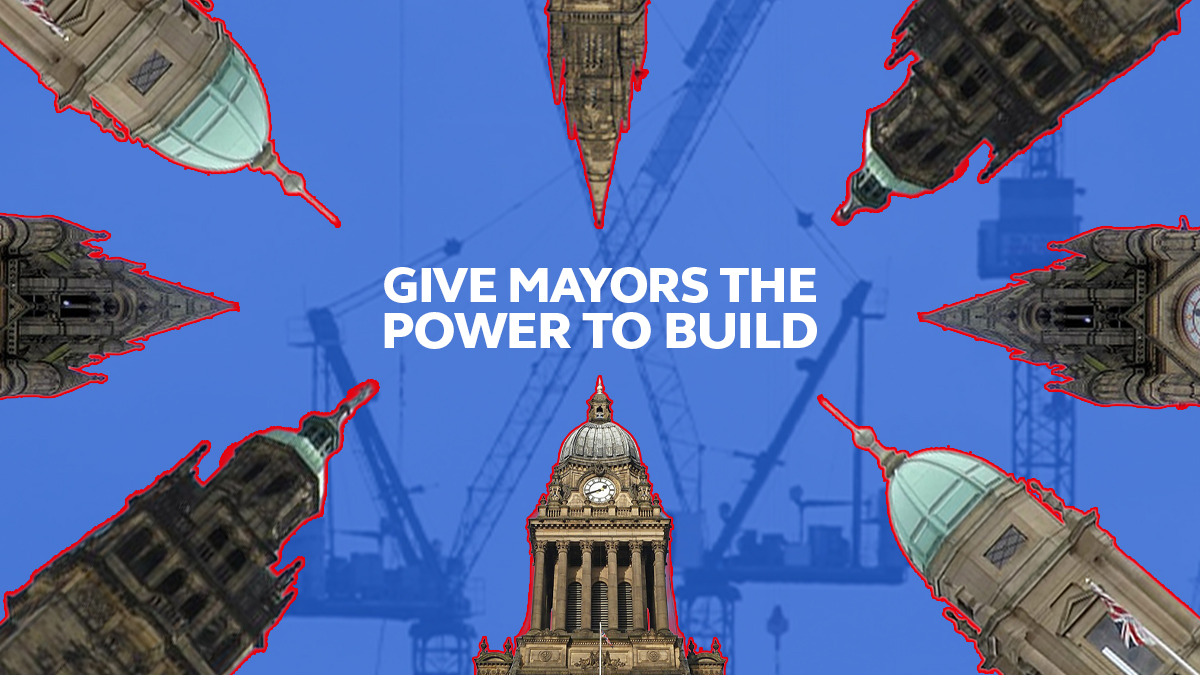
We need to give mayors the power to build.
Leeds needs trams
Leeds is the largest city in Western Europe with no trams or light rail. Here’s a list of places in Europe that are smaller than Leeds but have trams.
Places in Europe that are smaller than Leeds but have trams. pic.twitter.com/1sjimRWfOh
— Britain Remade (@BritainRemade) February 20, 2025
It doesn’t have to be this hard to build homes

Britain has a housing shortage. Homes are expensive mostly because we haven’t built enough of them where people want to live.
We’re more than five million homes short of having the same homes per person as the average of France, Germany, Spain and Italy.
The cause of this shortage, and the reason is it’s so difficult to address, is that we’ve made it far too hard to build new homes. Restrictions on land use, unnecessarily extensive applications for planning permission and a system that over-emphasises objections have left Britain in a long term housing crisis.
It doesn’t have to be this way. A sensible approach to planning can deliver the homes Britain needs.
PLANNING PERMISSION 1937 vs. 2025
London isn’t building anywhere near enough homes. It hasn’t since the 1930s. What’s changed? We found the planning application for a block of flats built in 1937: one page application, two pages of drawings, approved three weeks later. By 2025, it’s a completely different story.
London hasn't built enough homes since the 1930s.
— Britain Remade (@BritainRemade) July 7, 2025
1937: 3 page planning application
2025: 1,250 pages (25 pages longer than War and Peace)
It didn't use to be this hard to build homes, it doesn't need to be today. pic.twitter.com/C1CSCDcuLc