A Tax Highest in the Areas With the Worst Housing Crisis
China emits more greenhouse gases than any other country, by a long way.
Not any time soon.
A common claim in Net Zero debates is that Chinese “green” goods aren’t as green as they look.
To get an idea of how radical yesterday’s changes to the National Planning Policy Framework (NPPF) are, consider this.
For four years I advised ministers and senior officials on the UK’s energy and climate policy toward China.
Who holds the shares in the railways matters less than how the system is designed.
Britain Remade campaigned hard against plans to hike the Landfill Tax. We are happy to have stopped it, but we're still angry it was floated in the first place.
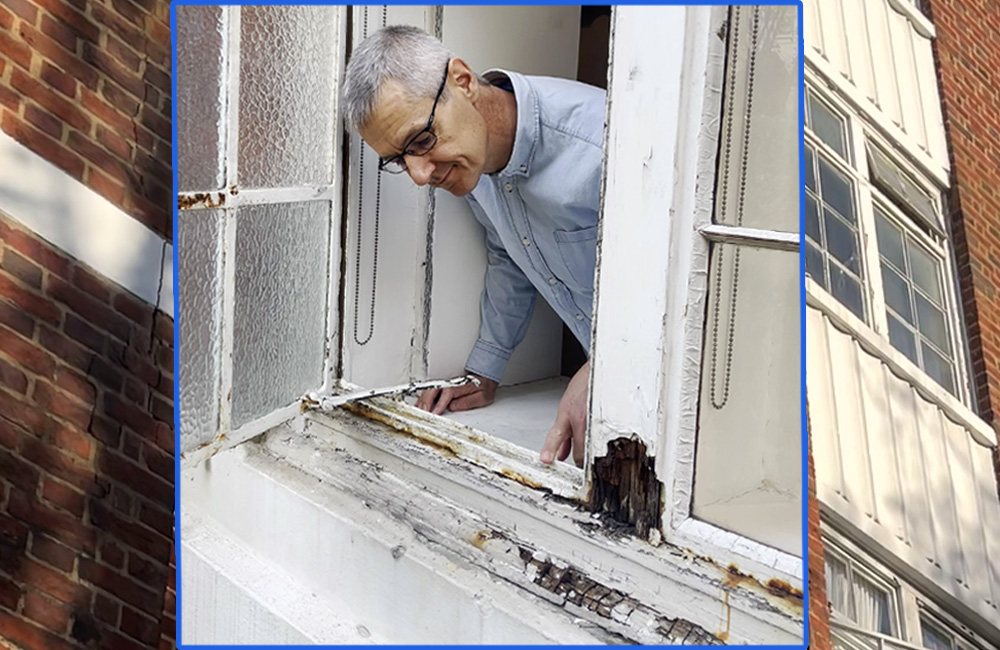
I recently met Chris Howell, an accountant who owns a small flat in London. He told me an absolutely infuriating story.
General principles that apply to every area should be sufficient (and are more likely to be formed by genuine expertise).
If we judge governments by rhetoric alone, then this Labour Government is by a country mile the most pro-development in history.
When Labour announced their New Towns policy in opposition, the response from Britain’s YIMBYs was mixed.
London isn’t building: fewer than 4,000 new homes were started in the first half of 2025.
Here’s a pet peeve: when journalists and campaigners act as if relatively recent changes in the law are immutable long-standing features of the British constitution on par with Habeas Corpus and Parliamentary Sovereignty.
The government has proudly claimed credit for a “record-breaking” 21 Nationally Significant Infrastructure Project (NSIP) decisions in the first year of this parliament.
When Britain builds, it almost invariably does it far more expensively than our international peers.
If Britain wants lower bills, clean power, and the energy to fuel AI and industry, we have to make nuclear cheaper and faster to build.
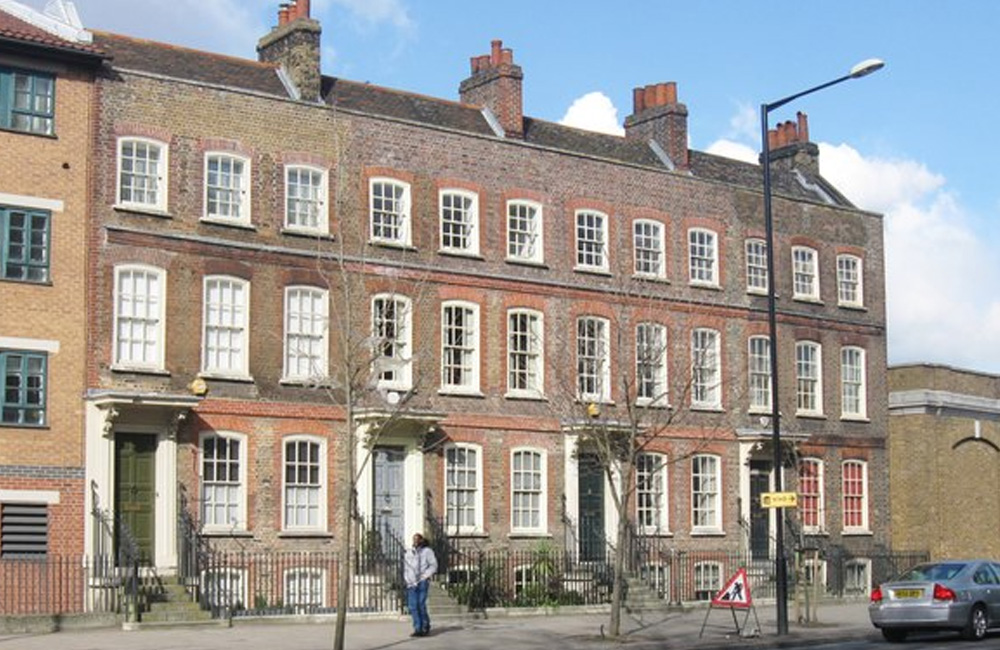
Everyone who has ever thought about it knows that Britain’s Stamp Duty is a stupid tax.
Our latest research shows the government is set to miss its 1.5 million housing target by 480,000
Britain is a nation of motorists. Six in ten journeys start in a car. And when it comes to distance travelled, cars are even more dominant.
When the Planning and Infrastructure Bill was first announced, plans to radically change the country’s approach to nature protection were cautiously welcomed by environmental NGOs.
Just 5% of British households have air con. That’s one of the lowest rates in Europe. Even three times as many Swedish homes have air con as us.
Opponents of AC usually oppose it out of a reflexive anti-consumption environmentalism. In their eyes, comfort can never come ahead of tackling climate change.
Britain used to be good at building nuclear power stations. Really good. We built the world’s first - and then another ten within a decade for good measure. As late as 1965, Britain had more nuclear power stations than the rest of the world combined.
Britain’s environmental regulations deliver the worst of both worlds. It’s bad enough that they have the side-effect of delaying crucial infrastructure projects with mountainous impact assessments and pointless requirements to build bat sheds and fish discos.
The speed at which Labour have converted to the YIMBY cause is remarkable. MPs like Dan Tomlinson and Chris Curtis are some of the most pro-building MPs Britain has had in decades.
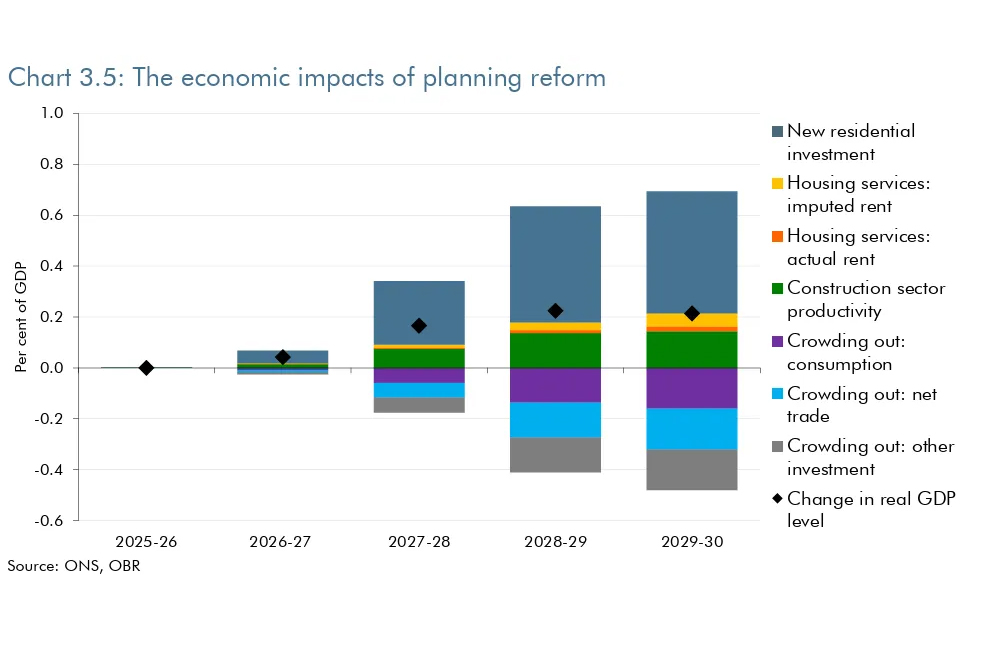
Has Rachel Reeves discovered the magic money tree? The OBR’s Economic and Fiscal Outlook was mostly painful reading for the Chancellor. GDP growth forecasts were slashed.
We have made it way too hard to build stuff in Britain. You probably know the worst examples by now, but for those at the back who weren’t listening...
In the run up to the 1995 regional elections in Madrid, the centre-right People’s Party promised to build 30 miles of new metro by the end of their four year term. In the end they actually delivered 35 miles within the four years.
Sir Keir Starmer’s Government was elected on a mandate to ‘back the builders, not the blockers.’ Recent events drive home that there can be no room for complacency for this agenda.
Britain’s regulators have a big problem: multi-billion pound corporations are concealing vital information and it’s keeping them from doing their job effectively. Worst of all, many regulators don’t even know it.
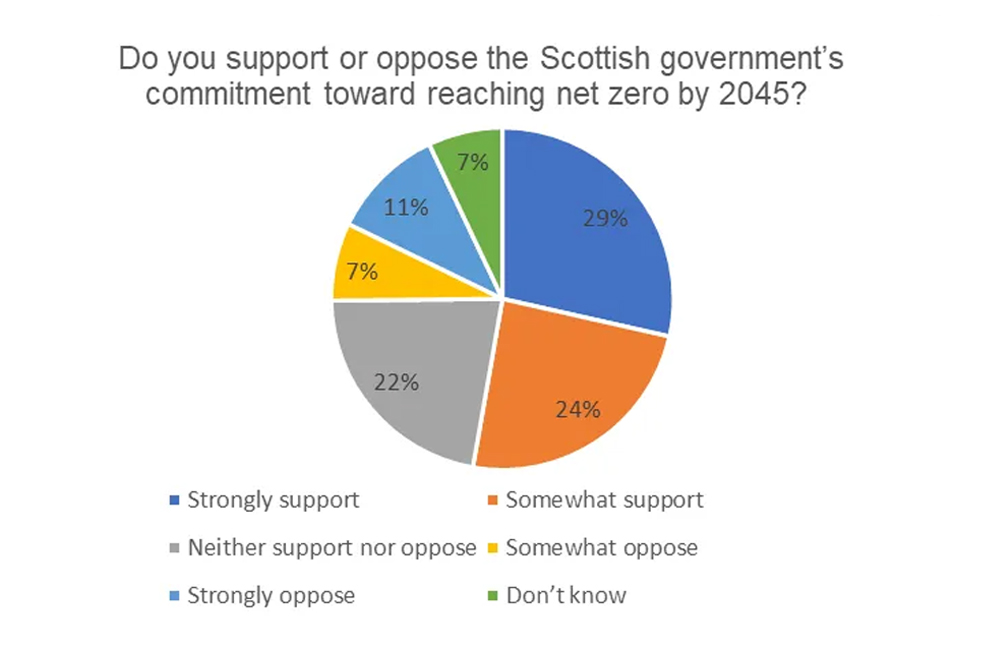
The Climate Change Committee will this week publish its advice on the 7th Carbon Budget. Expect controversy.
Nigel Farage’s Reform are neck and neck with Labour in the polls. Some pollsters (YouGov and FindOutNow) even have Reform top.
Britain’s borrowing costs have surged in recent months. Although much of this is driven by global factors, the UK’s performance has been particularly bad.
Why new reforms could make it easier to build infrastructure and protect nature better
Last week Britain Remade and Create Streets launched our report on where to build new towns and the design principles that will make them prosperous and liveable communities.
For the first time in 50 years, there is a national commitment to building a new generation of new towns. With the severity of Britain’s housing shortage, this is exciting news.
Earlier this month the National Energy System Operator (NESO) published their report into the potential for a net zero grid by 2030. The good news is that they found it is possible, but there’s a lot to do.
The problem with debates over Britain’s energy mix is that they’re not just about Britain’s energy mix. They have instead become proxy debates over the desirability of decarbonising our economy.
Britain used to be a nuclear superpower. In 1932, the atom was first split in Britain. In 1956, Britain opened the world’s first full-scale commercial nuclear reactor. Less than ten years later, it had built 21 more.
Birmingham is right now building a mile long extension to the West Midlands Metro, which will end up taking 13 years in total from the initial proposal to the first trams operating.
The impressive UK Day One think tank recently surveyed 43 leading British experts on economic growth (plus myself).
In July, Chancellor Rachel Reeves cancelled the Restoring Your Railway fund, arguing that we couldn’t afford to build the projects amid a budget blackhole.
Party conferences are typically policy-light affairs. This is no bad thing. When policy announcements are made at party conferences they often fall apart quickly – remember Network North?
Building a mile of tramway in Britain costs more than double what it does in the rest of Europe (on average). The UK’s high costs have meant that fewer British cities have mass transit than any other wealthy Western country.
The tide is turning against Britain’s single national electricity price. But support for local power pricing isn't universal.
Over the last three decades, trams have made a remarkable comeback across Europe. Cities that had torn up their tracks in the 1950s to make space for cars and buses realised they had made a mistake.
At the heart of Labour’s plans to build 1.5 million homes over the next five years are housing targets. Housing Secretary Angela Rayner’s plan tweaks them in three key ways.
Britain’s most productive onshore wind farm, Viking, just became operational. Located in the windiest part of the UK, Shetland, Viking’s 103 turbines have a combined capacity of 443MW.
The UK is one of the most nature depleted countries on the planet. From farmland birds to insect life - all our key biodiversity indicators are in decline.
Britain’s transport infrastructure needs an urgent upgrade. Too many Brits lack fast and frequent public transport connections that get them where they need to be.
Over the last year or so, there’s been a rising trend in politics to use protectionism to block the import of new technologies, or the deployment of clean energy infrastructure.
One of Labour’s first moves to reform the planning system and get Britain building again was to immediately start work on hiring 300 additional planners.
To try to plug a gap in the budget, Rachel Reeves, the Chancellor, scuttled the £500mn Restoring your Railway Fund last week.
England has a new National Planning Policy Framework (or at least a draft one). The headlines may have been dominated by Deputy PM Rayner’s move to increase housing targets...
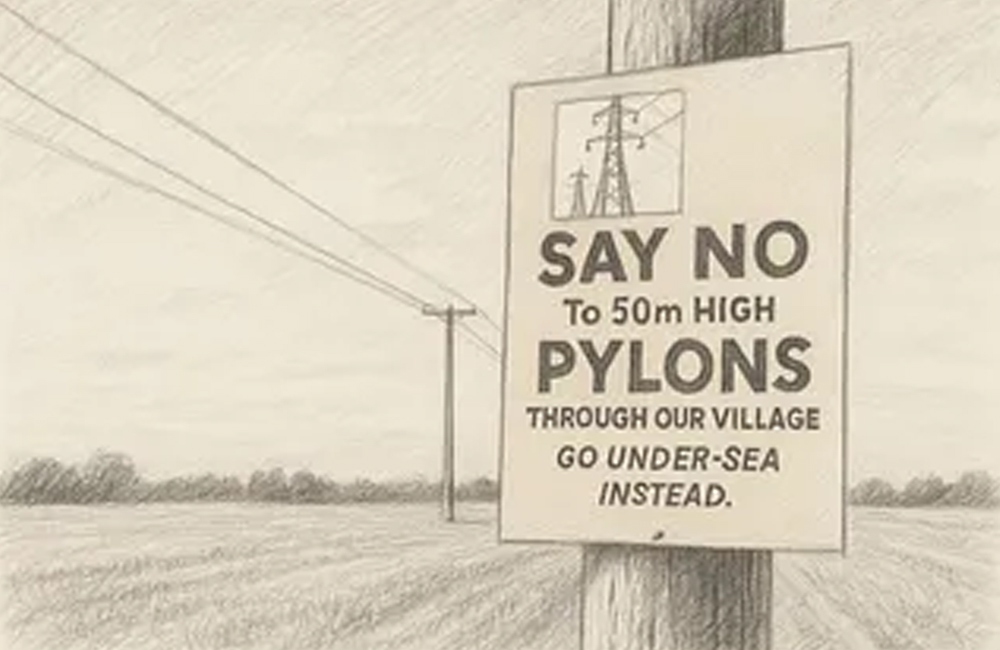
Well, that lasted long! Within a few days of getting elected as MP for Waveney Valley, Green Party co-Leader Adrian Ramsay has come out against a major pylon project.
Within his first week of taking office, Energy Secretary Ed Miliband has granted planning permission to three large-scale solar farms: Sunnica, Mallard Pass, and Gate Burton.
Last week, in one of his first actions as Energy Secretary, Ed Miliband approved three large solar farm projects, which combined have enough capacity to power 400,000 homes.
The first days of a new government are an exciting time. Instantly, the realm of what’s politically possible expands.
Britain can be a world leader in AI, but there’s one thing holding us back: our broken planning system.
Labour’s rhetoric in the run-up to polling day has been uncompromising. Keir Starmer has run toward controversy talking up a willingness to ‘make enemies’ and ‘take on the NIMBYs’.
Here’s a story that illustrates what’s fundamentally wrong with the British economy. Britain’s film industry is a national success story...
The Labour party has been on a journey. Just a few years ago, they were sharing punchy ads attacking the Government’s so-called Developer‘s Charter.
Why is our government so keen to speak to the Koreans? Put simply, it’s their track record. South Korea builds nuclear power plants for less than any other country in the world.
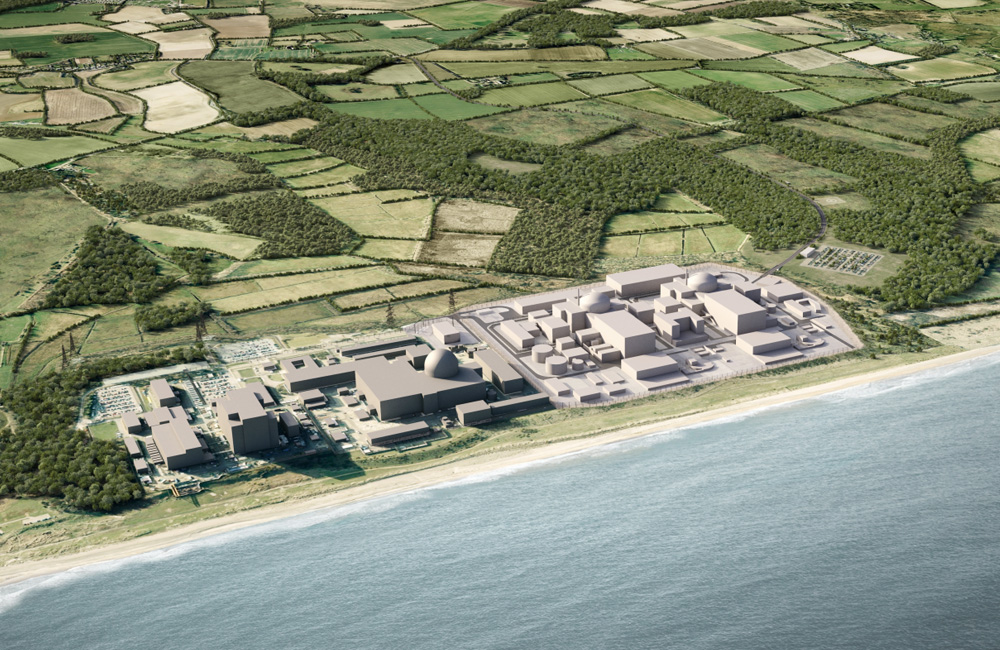
Sizewell B, the last nuclear power station built in Britain was granted planning permission back when Margaret Thatcher was still Prime Minister.
Improving the quality, not just the quantity, of London’s housing stock is vital to cut bills, to cut emissions, and to cut preventable cases of ill health.
London needs more homes, yet in some parts of the capital all new development is effectively banned. This land is not protected because it is environmentally valuable.
If all of London’s golf courses were a borough, they would be its 15th largest – roughly the size of Brent.
Since Britain Remade, the campaign we both work for, launched 18 months ago, we’ve spent a lot of time travelling around the country trying to understand why it’s so hard to build things in Britain.
The housing crisis across the UK is worsening and London is at its epicentre. Some of the most jarring facts about the crisis include...
Both Labour and the Conservatives are committed to iron-clad fiscal rules designed to get debt falling as a share of GDP over five years.
Britain’s second cities are stuck. In most countries, large cities that aren’t the capital are at least as productive as the national average.
When Rishi Sunak cancelled HS2 at Conservative Conference, he announced the money would instead go on a wave of transport projects across the North.
 03 September 2024
| Sam Dumitriu
03 September 2024
| Sam Dumitriu